The timeline
Eras of video game music
Game music has been shaped at every step by the hardware it ran on. Follow it era by era: what each generation of sound technology allowed, which scores defined it and how composers pushed against the limits.
The timeline scroll sideways
-
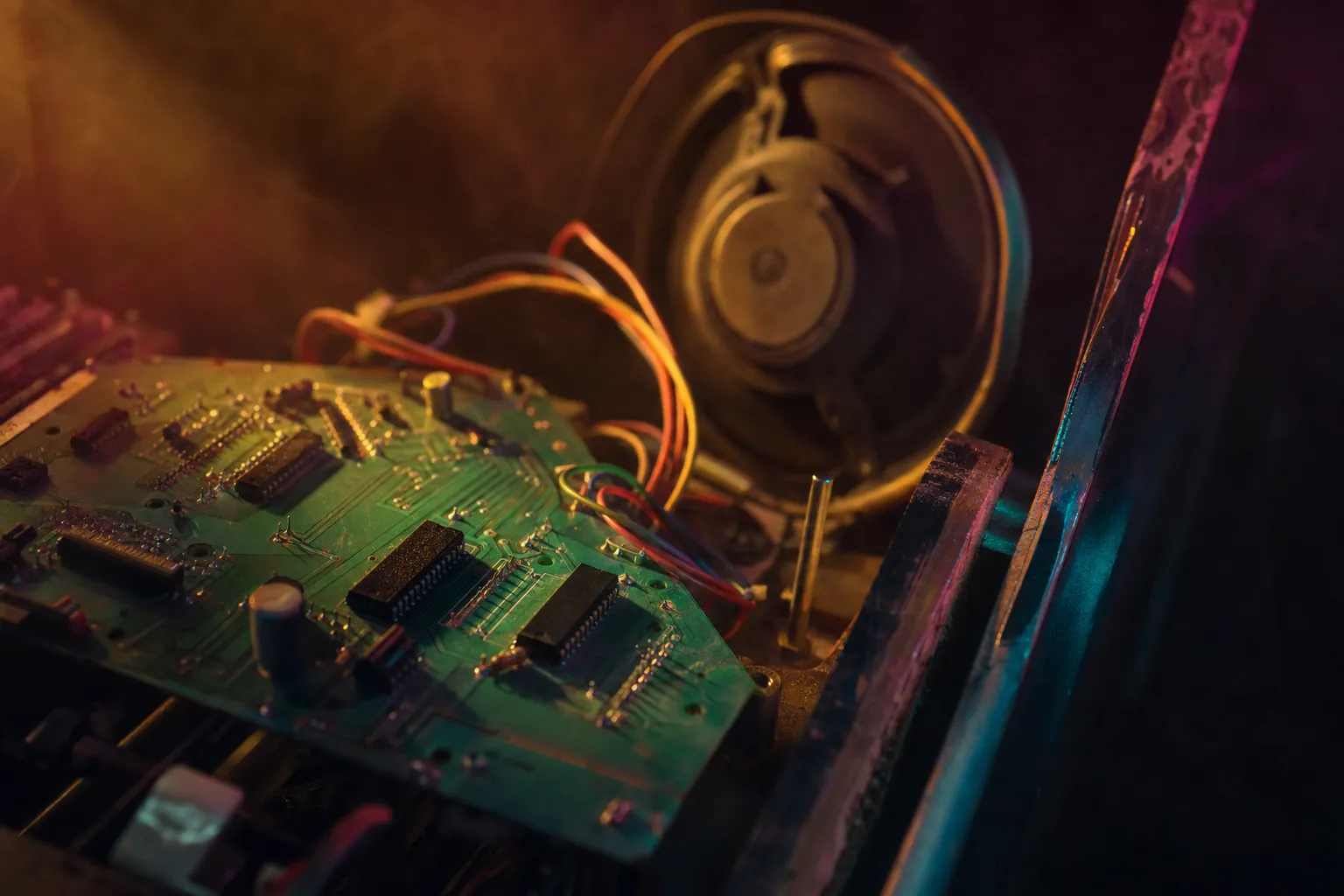 1972–1982
Arcade beeps
The first video game sounds were not composed in any usual sense. Engineers coaxed tones out of circuits that already existed, then soldered in new ones. Within a decade those blips had become rhythm, tension and, finally, a tune that played all the way through a game.
-
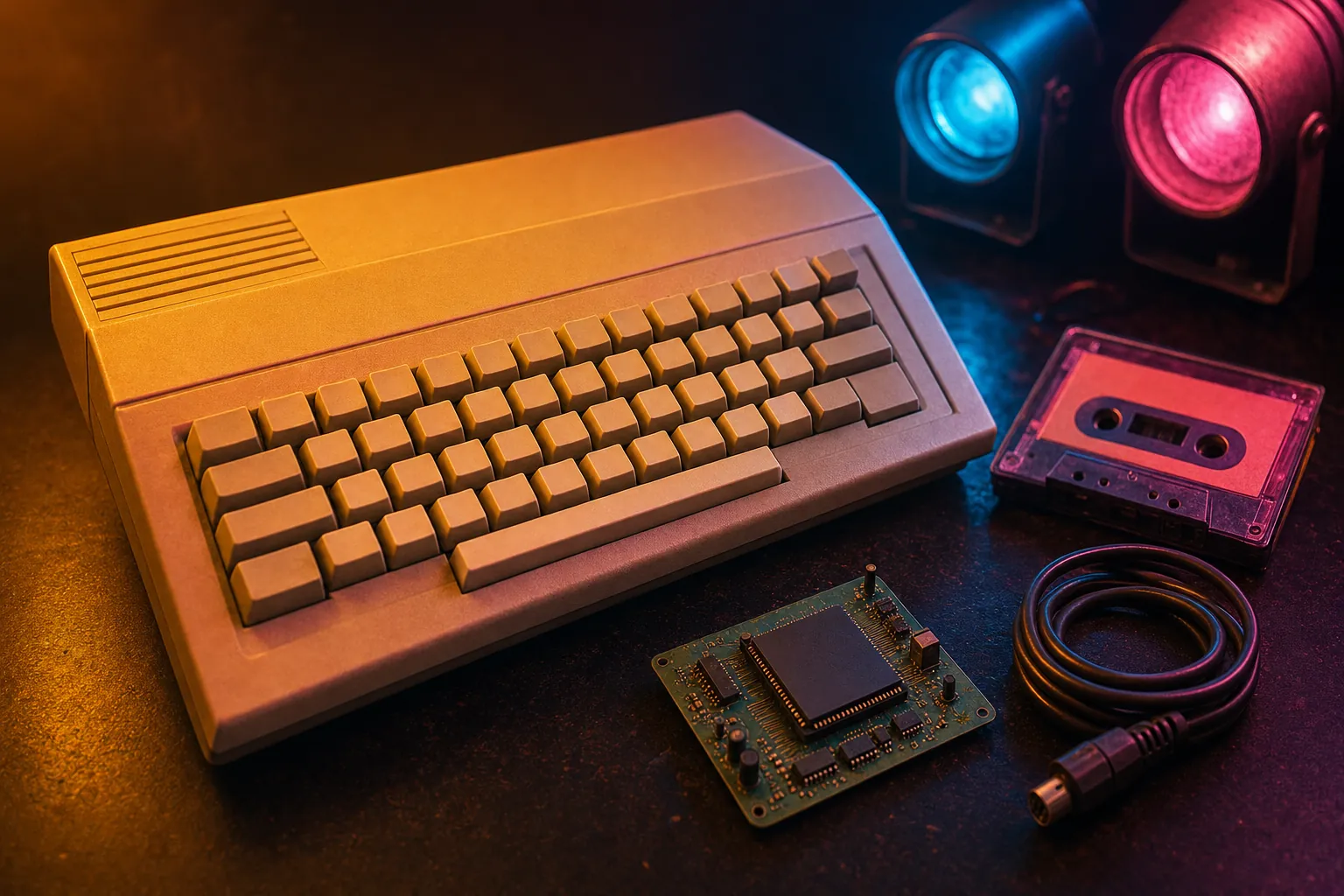 1982–1990
The 8-bit era
In the 1980s, home consoles and computers brought game music into living rooms. With only three to five channels to work with, composers in Japan and the UK wrote themes that are still hummed, recorded and performed by orchestras today.
-
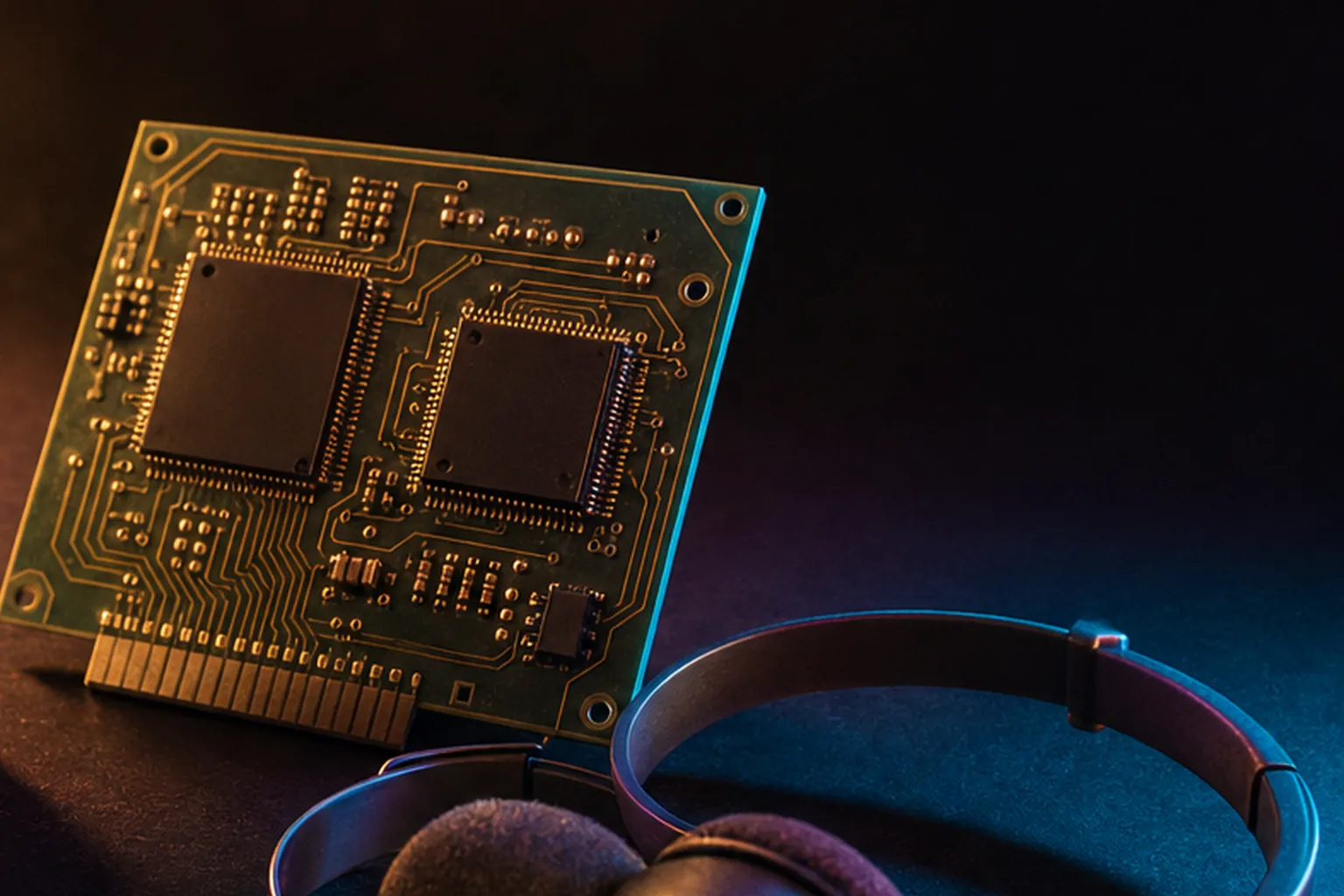 1987–1996
The 16-bit era
The 16-bit machines gave composers two very different toolkits. Sega's Mega Drive leaned on FM synthesis; Nintendo's Super NES and the Commodore Amiga played back recorded samples. The rivalry produced some of the most distinctive scores in the medium.
-
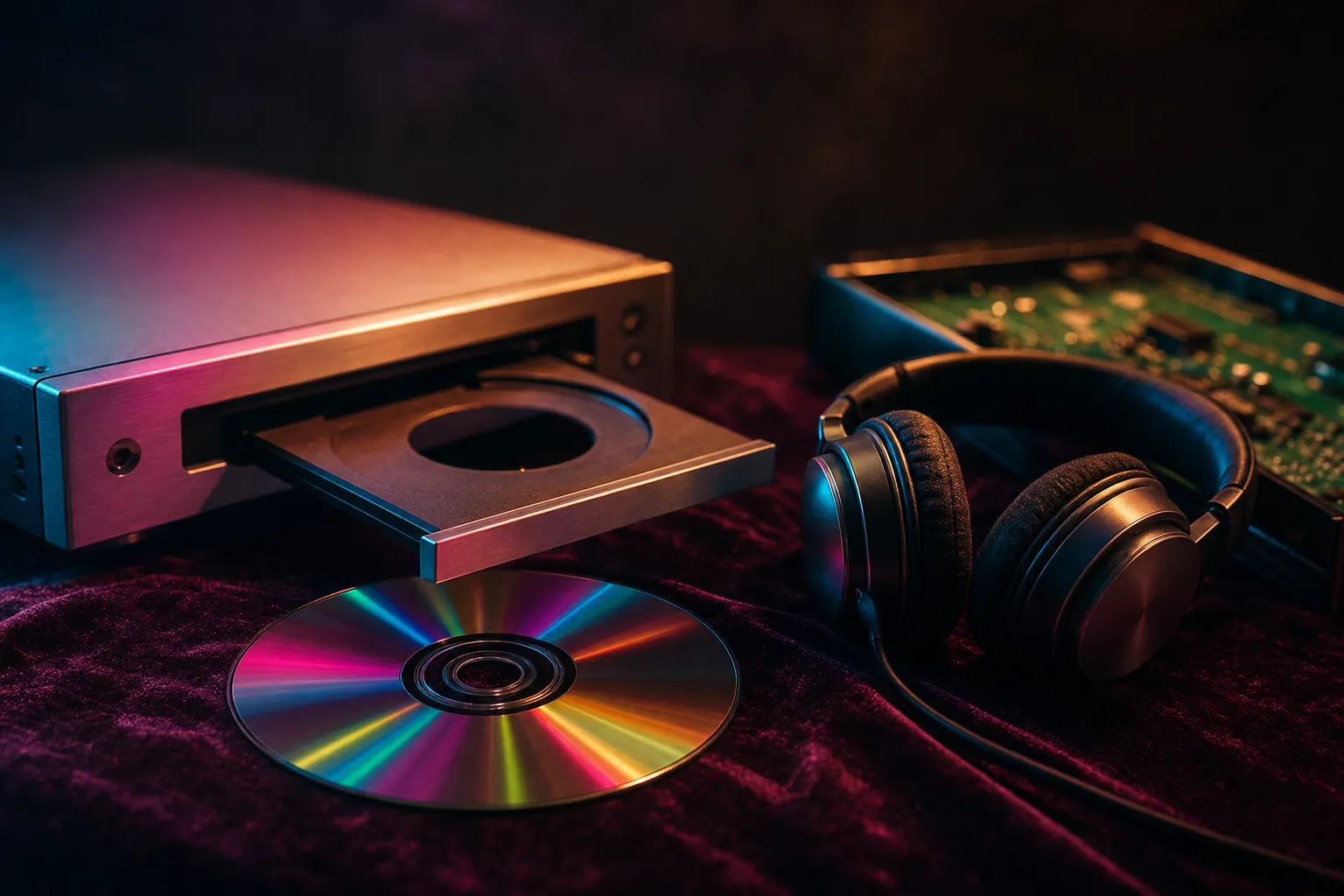 1988–2000
CD audio and the 90s
The compact disc changed what a game soundtrack could be. Instead of instructions for a chip, a disc could carry finished recordings at the same quality as an album. Composers could use real studios, real players and, increasingly, licensed music from bands.
-
 1999–2012
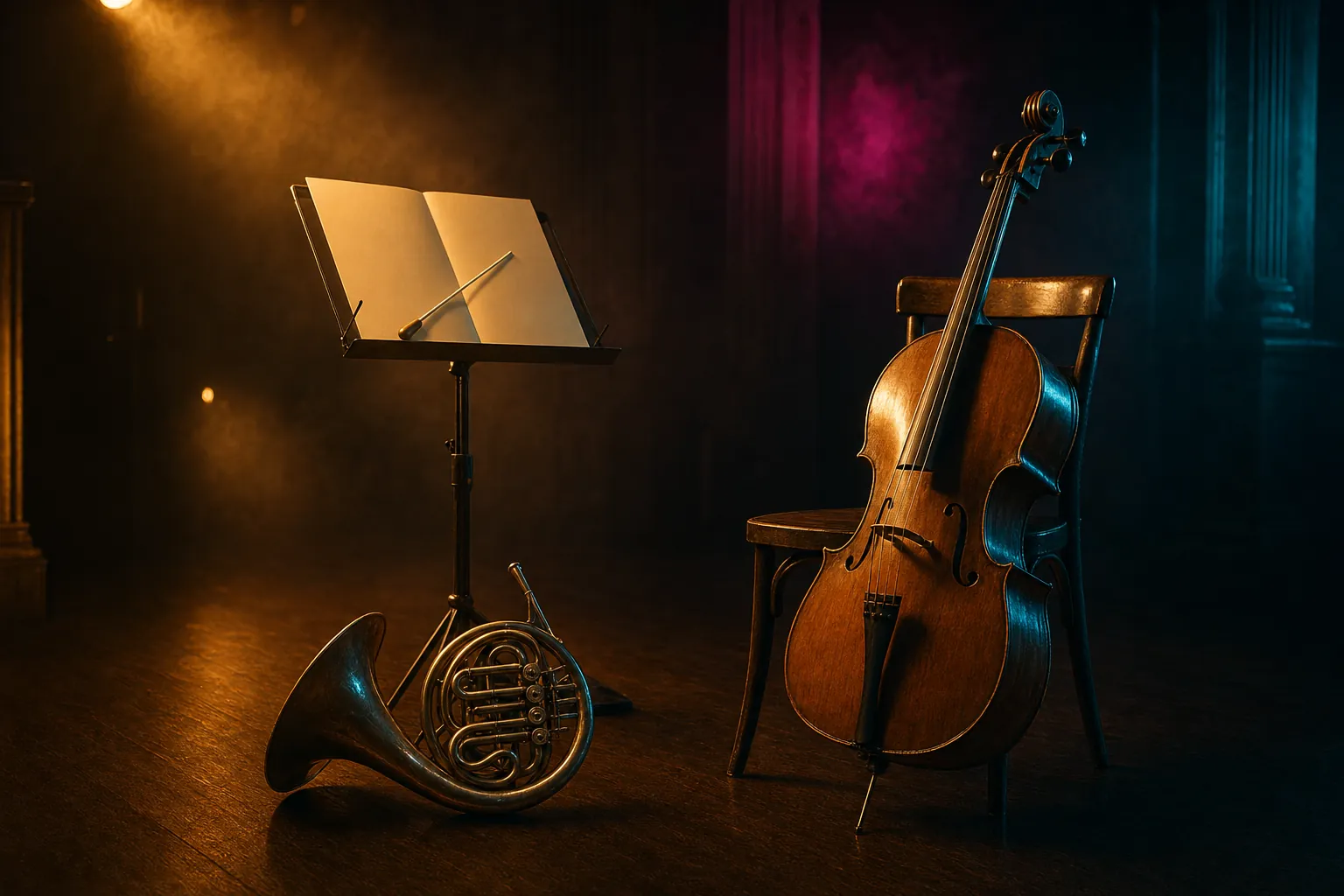
The orchestral turn
Around the turn of the millennium, larger storage and larger budgets let game composers work the way film composers did: with live orchestras, choirs and recording studios. Within a decade, a piece written for a game had won a Grammy.
-
 2008–present
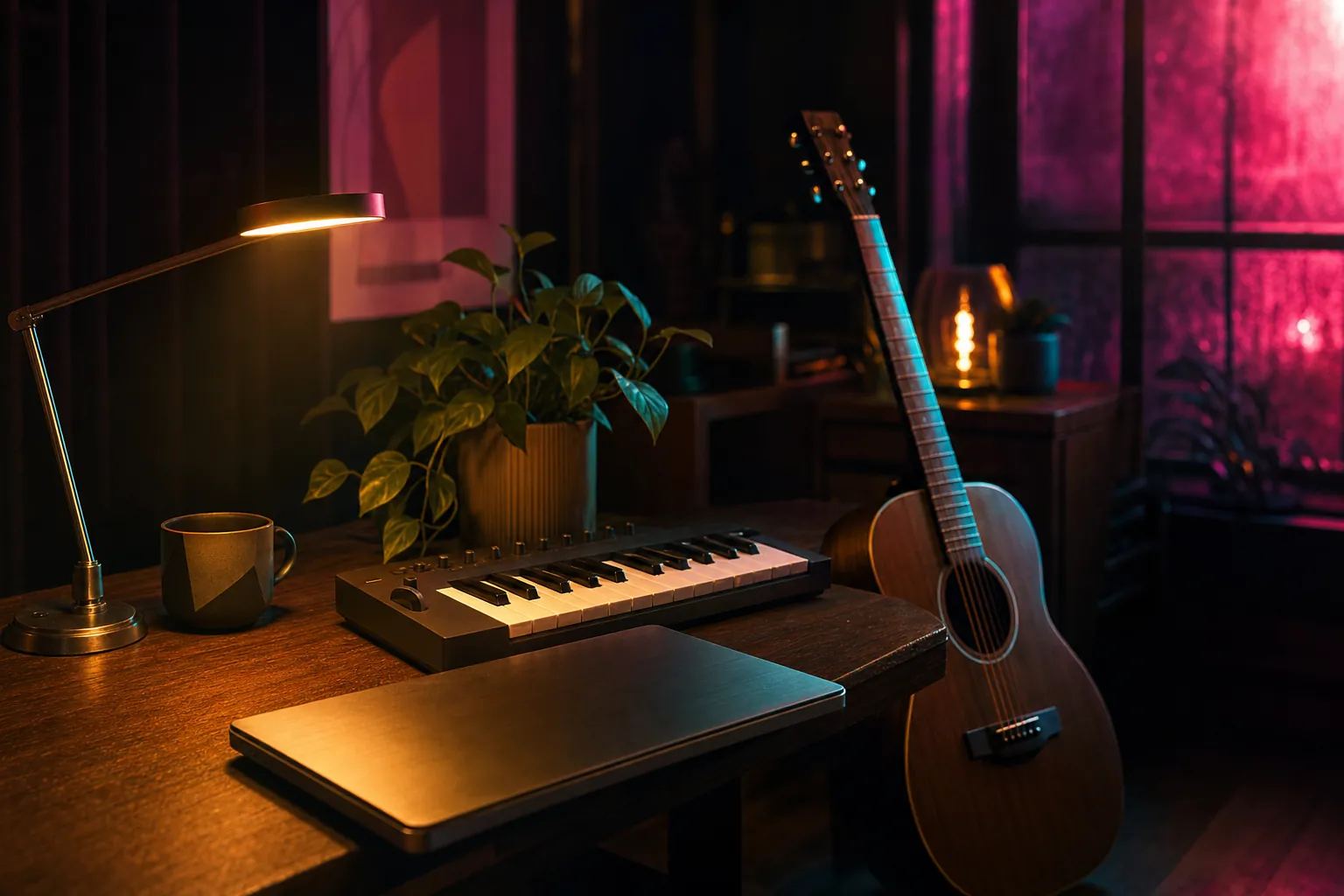
Indie and digital
From the late 2000s, affordable software and digital stores let tiny teams make games, and their composers sell soundtracks directly to fans. Some of the most-played game music of recent years was recorded in bedrooms and closets.
-
 1991–present
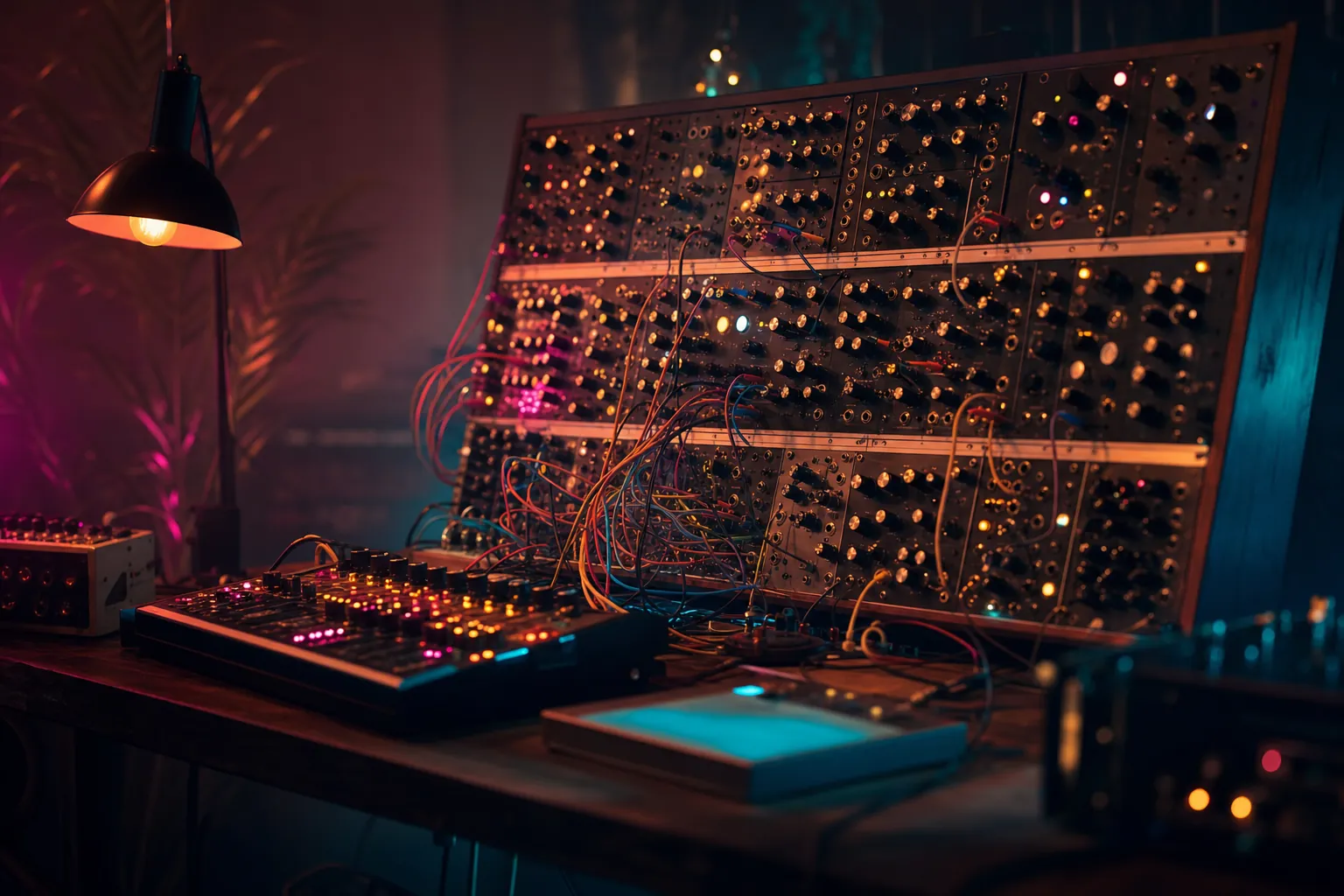
Adaptive and modern
A film score is fixed; a game score has to cope with a player who might do anything. Adaptive music systems, first built in the early 1990s and now standard middleware, let scores change in real time.
-
 1987–present
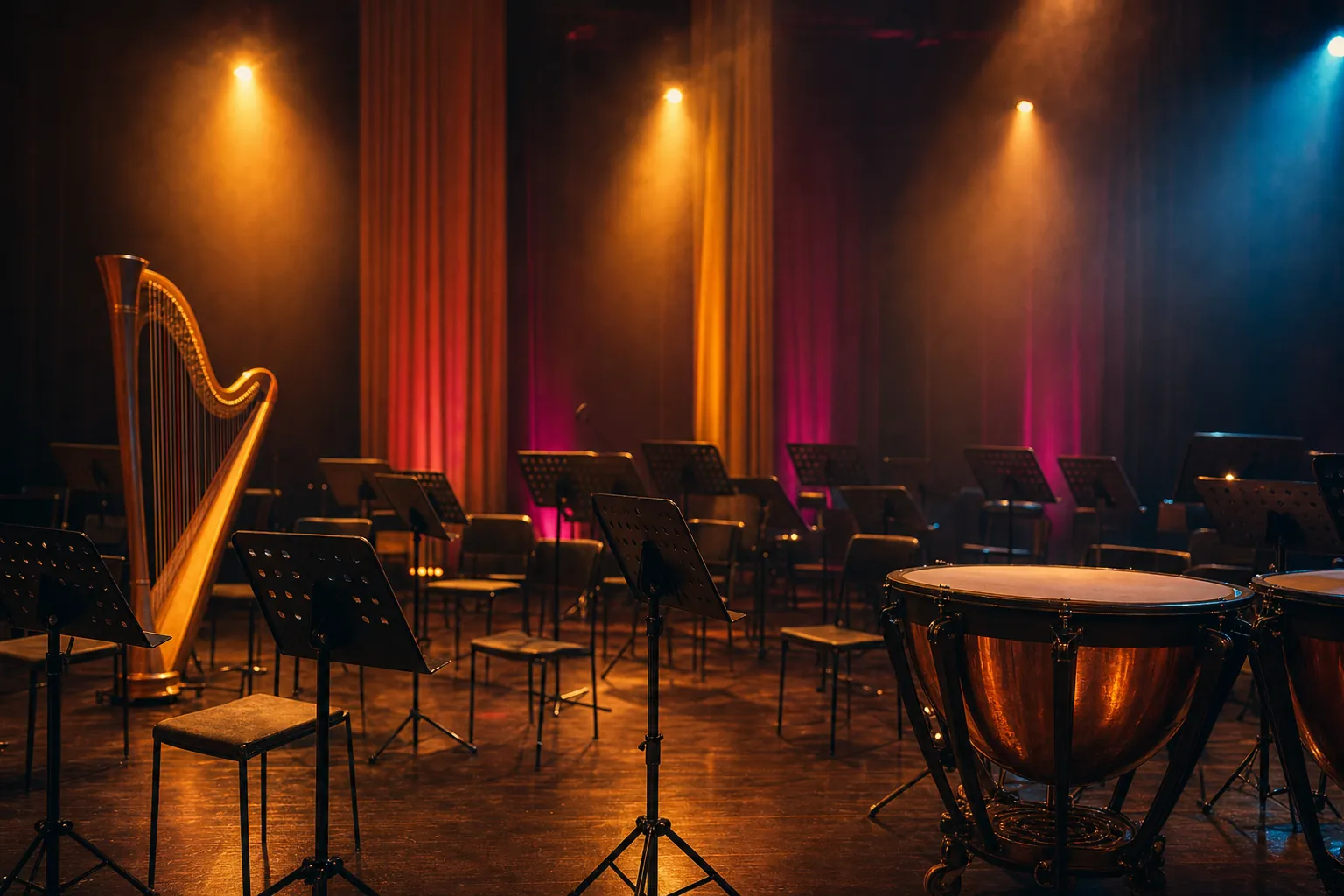
The concert hall
Game music began leaving the console almost as soon as it had melodies. Since the first symphonic concert in Tokyo in 1987, it has filled concert halls, reached classical radio and, in 2022, the BBC Proms.
Every era at a glance
- 1972Arcade beeps 1972–1982The first video game sounds were not composed in any usual sense. Engineers coaxed tones out of circuits that already existed, then soldered in new ones. Within a decade those blips had become rhythm, tension and, finally, a tune that played all the way through a game.
- 1982The 8-bit era 1982–1990In the 1980s, home consoles and computers brought game music into living rooms. With only three to five channels to work with, composers in Japan and the UK wrote themes that are still hummed, recorded and performed by orchestras today.
- 1987The 16-bit era 1987–1996The 16-bit machines gave composers two very different toolkits. Sega's Mega Drive leaned on FM synthesis; Nintendo's Super NES and the Commodore Amiga played back recorded samples. The rivalry produced some of the most distinctive scores in the medium.
- 1988CD audio and the 90s 1988–2000The compact disc changed what a game soundtrack could be. Instead of instructions for a chip, a disc could carry finished recordings at the same quality as an album. Composers could use real studios, real players and, increasingly, licensed music from bands.
- 1999The orchestral turn 1999–2012Around the turn of the millennium, larger storage and larger budgets let game composers work the way film composers did: with live orchestras, choirs and recording studios. Within a decade, a piece written for a game had won a Grammy.
- 2008Indie and digital 2008–presentFrom the late 2000s, affordable software and digital stores let tiny teams make games, and their composers sell soundtracks directly to fans. Some of the most-played game music of recent years was recorded in bedrooms and closets.
- ThemeAdaptive and modern 1991–presentA film score is fixed; a game score has to cope with a player who might do anything. Adaptive music systems, first built in the early 1990s and now standard middleware, let scores change in real time.
- ThemeThe concert hall 1987–presentGame music began leaving the console almost as soon as it had melodies. Since the first symphonic concert in Tokyo in 1987, it has filled concert halls, reached classical radio and, in 2022, the BBC Proms.