The craft
How game music works
Explainers on the technology and technique behind game scores: sound chips, adaptive layers, recurring themes, recording sessions, the line between sound design and music, and routes into the work.
- No. 1

Sound chips and chiptune: how early consoles made music
Before games could play recorded music, every note was generated live by a small chip inside the machine. Each chip had a fixed number of voices and a limited set of sounds, and composers learned to make a great deal out of very little. This guide explains how the best-known chips worked, channel by channel, and how those sounds became a musical style of their own.
- No. 2
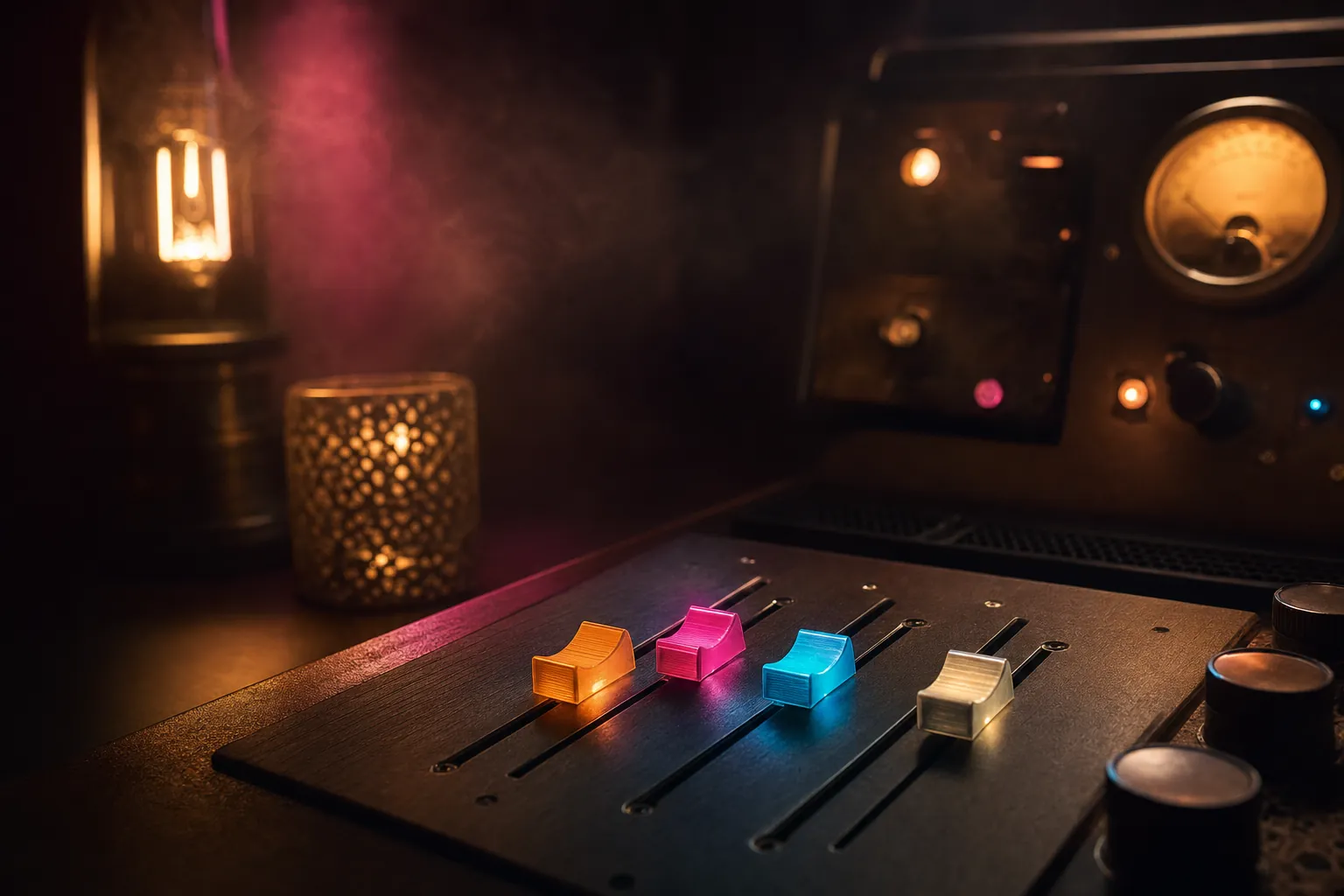
Adaptive music: how game scores react to what you do
A film score is written to a finished edit: the composer knows exactly when each scene starts and ends. A game composer does not, because the player decides when to explore, fight or flee. Adaptive music is the set of techniques that lets a score change with play. This guide explains the main methods, where they came from and the tools used to build them.
- No. 3
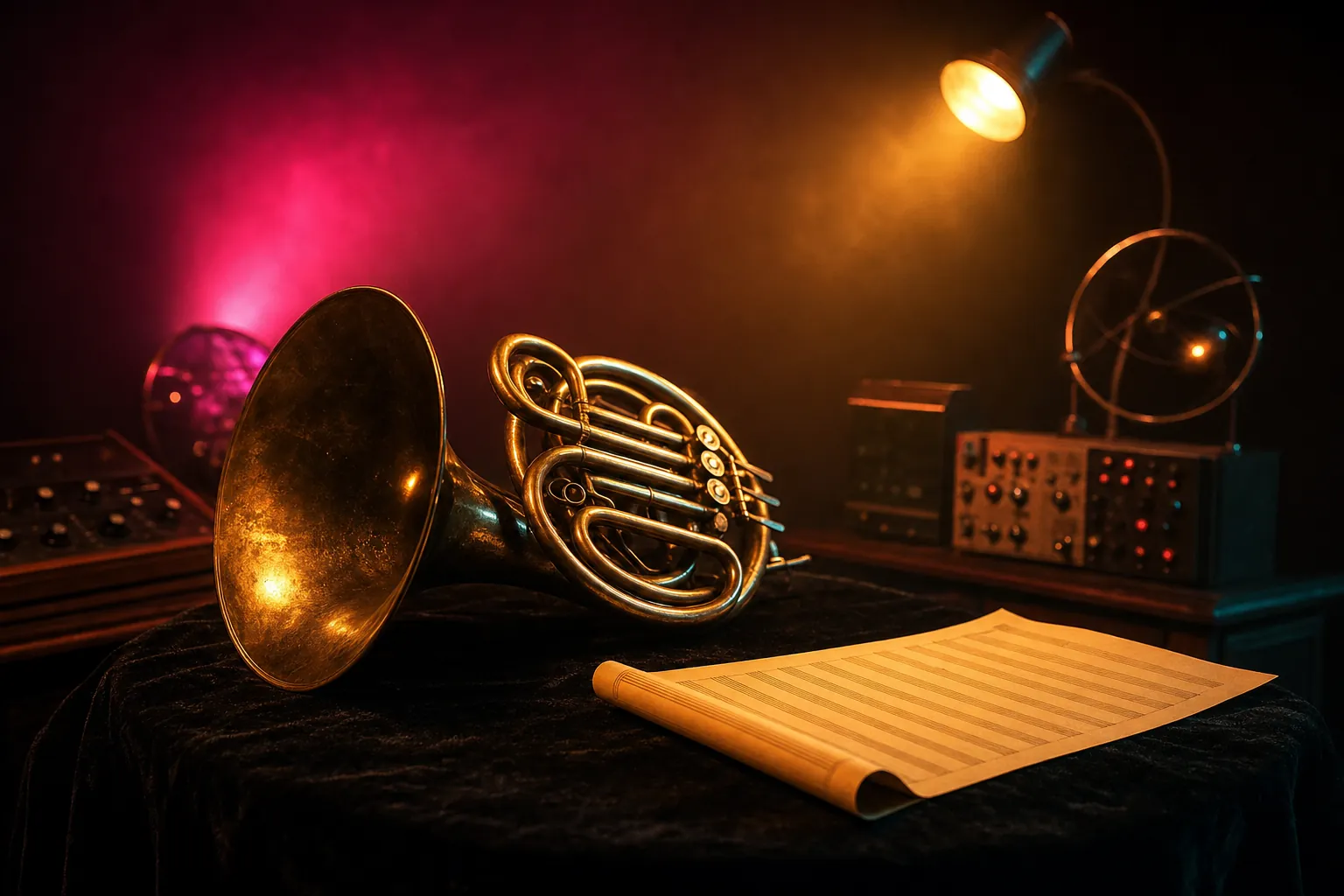
Leitmotifs in games: themes that follow characters and ideas
A leitmotif is a short musical idea tied to a character, place or idea, which returns and changes as a story unfolds. The technique comes from 19th-century opera, travelled through film scoring and is now one of the main tools game composers use to make long, branching stories feel connected.
- No. 4
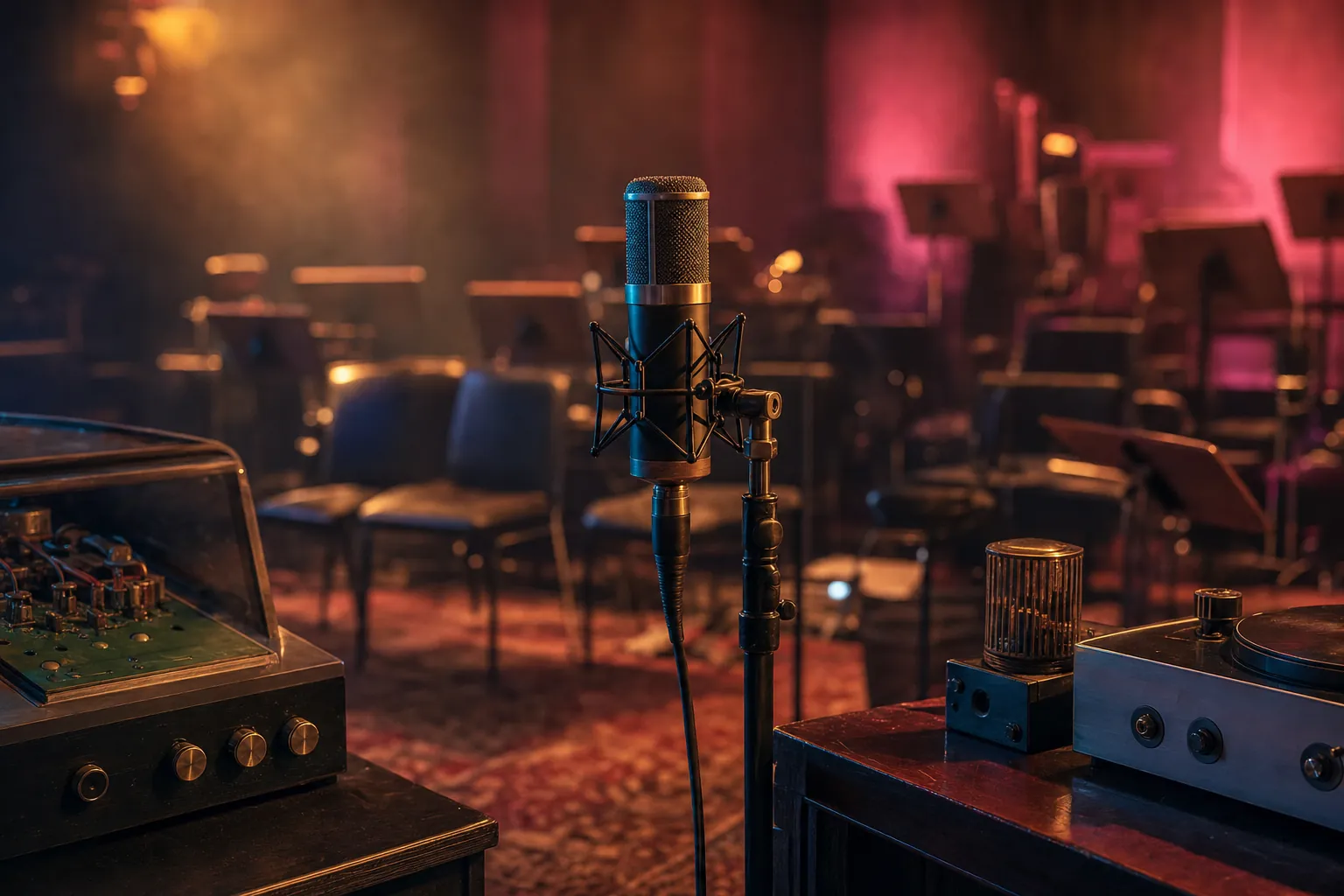
Recording a game score: from the first brief to the final stems
Large game scores are often recorded by orchestras and choirs, but the process differs from film in important ways. The music has to be delivered in pieces the game can combine, often long before the game is finished. This guide walks through the typical stages, from the first brief to the files that go into the game.
- No. 5
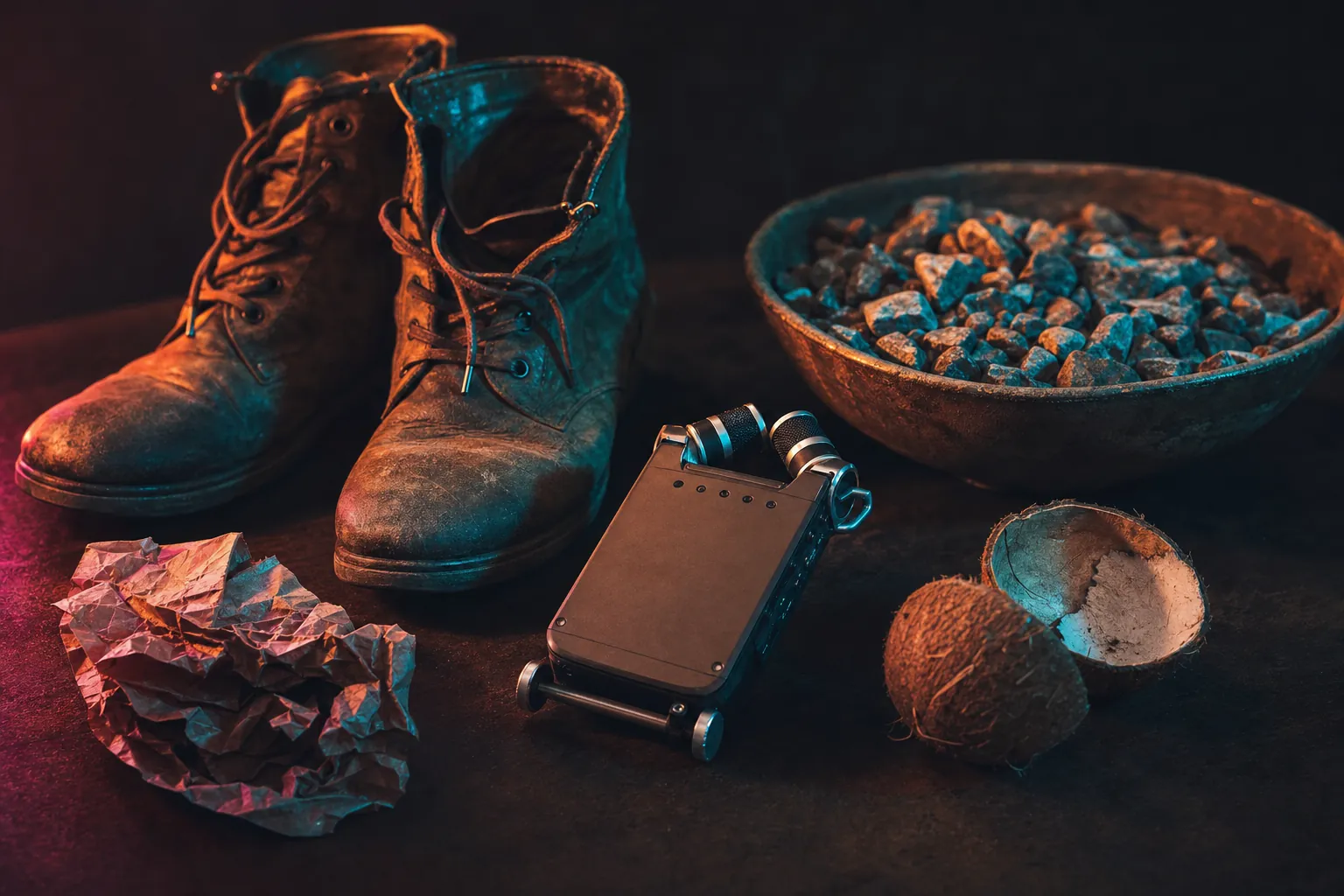
Sound design versus music: who makes which sounds in a game
Everything you hear in a game is either music, sound effects, ambience or voice, and the line between them is not always clear. This guide explains what sound design and music each do, who usually makes them, and why the best game audio treats them as one connected job.
- No. 6
How to get into game music: practical first steps in the UK
There is no single route into writing music for games. Some composers trained at conservatoires, others taught themselves, and many started by working with friends on small projects. This guide sets out the practical skills, tools and organisations that matter for UK readers, along with an honest picture of what the work involves.